
Colorado Document Authentication
Apostille in Boulder, CO
Get clear guidance on preparing your documents for international use.
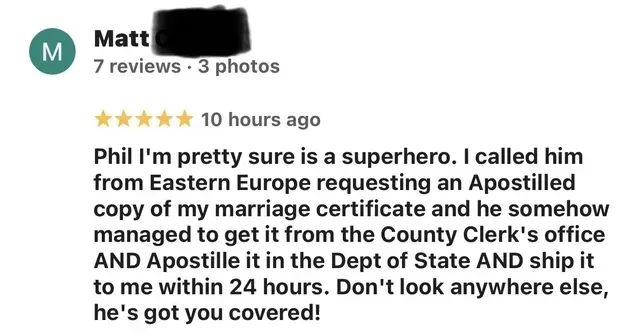
Over 1,000 Reviews From Real Clients
Want to see our video reviews? Just let us know when you call and we will send them over. We have plenty to back up our work from real clients.
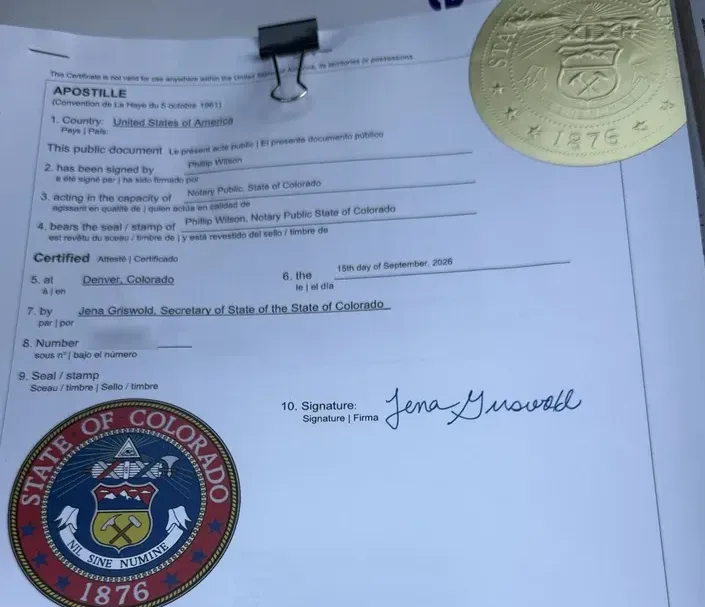
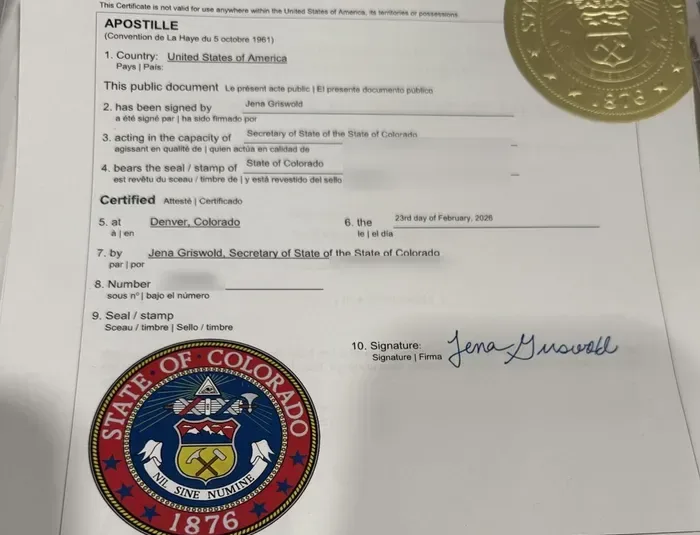
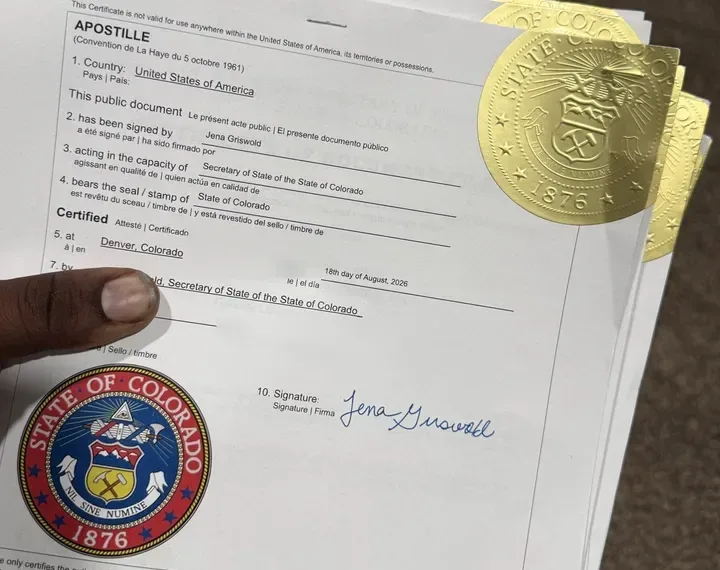
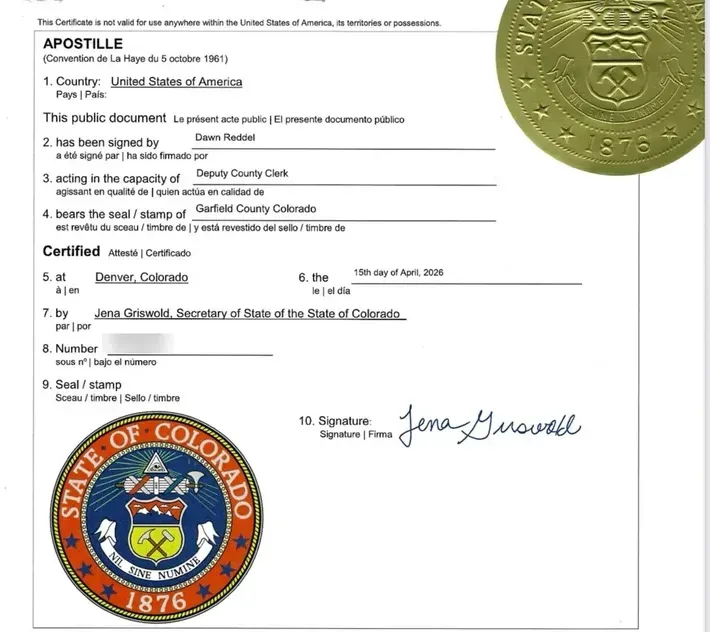
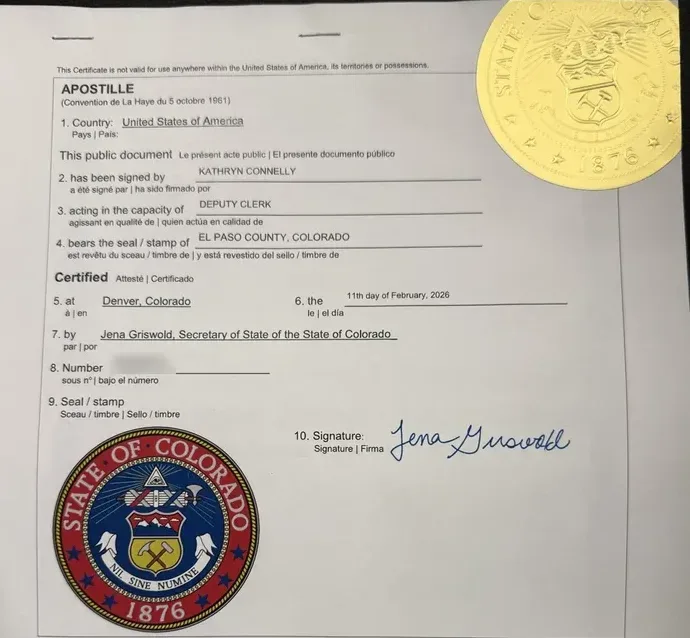
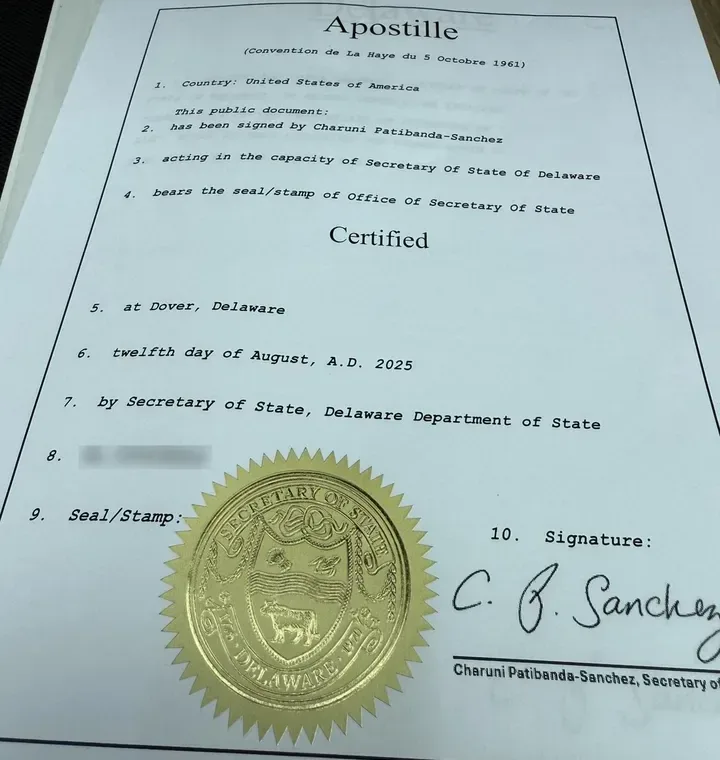
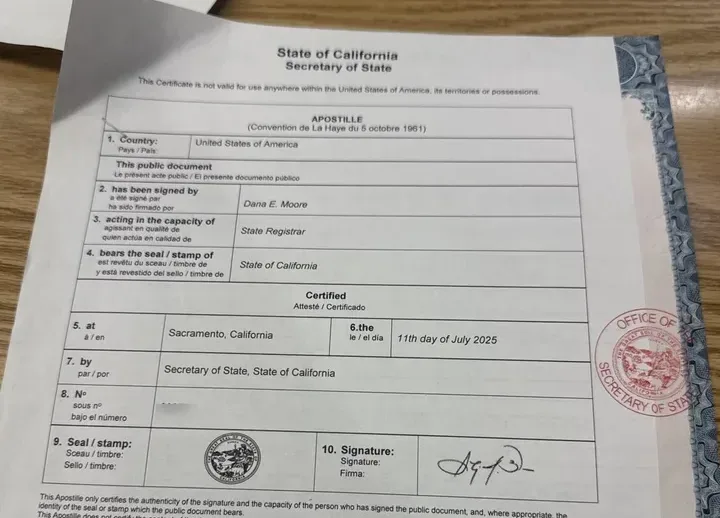
Apostilles We Have Handled
Examples from our work. Document numbers are blurred for privacy.
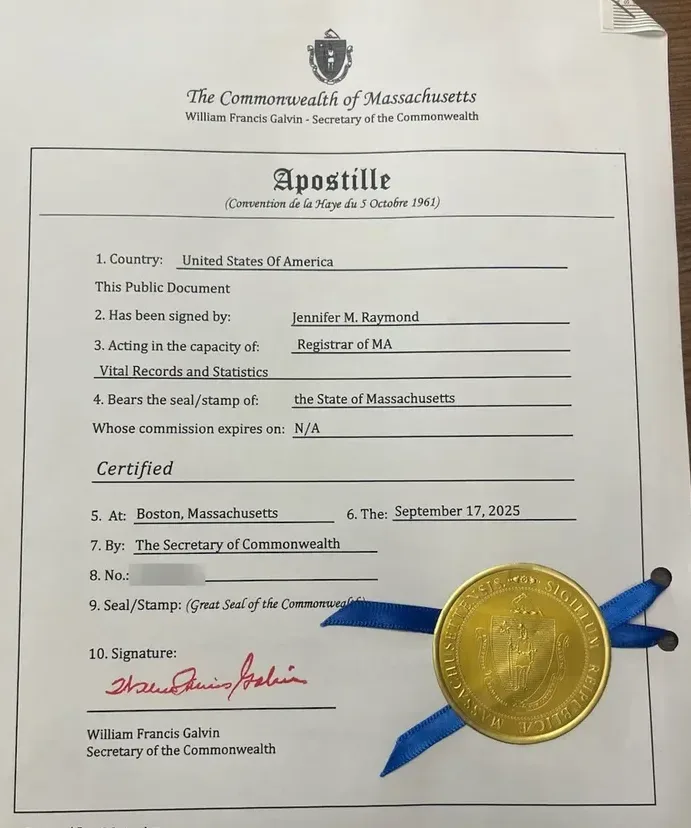
Apostille Services in Boulder, Colorado
When a document issued or notarized in the United States needs to be accepted in another country, an apostille may be an essential part of the process. Whether you are preparing for an international move, getting married abroad, handling an overseas property transaction, studying in another country, or completing a business agreement, the document must meet the requirements of the receiving authority. Boulder Apostille Services helps Colorado residents understand the document authentication process and identify the appropriate next step.
Our services cover Colorado apostilles, federal apostilles, FBI background check apostilles, I-9 verification, and mobile notary needs. The right process depends on who issued your document, whether it is a state or federal record, whether notarization is required, and where it will be presented. We help you consider those details before you move forward, so you can avoid preventable paperwork problems. From Boulder and nearby communities to Denver and mountain towns, our focus is straightforward document preparation and practical guidance.
A Practical Approach to International Paperwork
We believe apostille work should be explained in ordinary language. International document requirements can feel confusing because several different authorities may be involved. A document might need to be notarized, certified by an appropriate public official, authenticated by a state office, or processed through a federal department. These steps are not interchangeable. Our approach starts with understanding the document rather than assuming every request follows the same route.
Colorado is a place where people have connections well beyond state lines. Boulder residents may be buying property overseas, Denver families may be preparing immigration paperwork, and people in mountain communities may need to arrange international documents without making repeated trips into the city. We aim to make the process easier to understand by focusing on the document, its origin, the destination country, and the authority that must receive it.
Our Services
We provide guidance and support for Colorado apostilles, federal apostilles, I-9 verification, mobile notary needs, FBI background check apostilles, and other document authentication requirements.
Apostille Services
Prepare Colorado-issued and properly notarized documents for international use with clear apostille guidance.
Learn more →Federal Apostille
Navigate the federal authentication route for qualifying United States government documents intended for overseas use.
Learn more →I-9 Verification
Arrange convenient I-9 document examination support for employers and authorized representatives.
Learn more →Mobile Notary
Coordinate in-person notary appointments for eligible documents at a convenient Colorado location.
Learn more →FBI Background Check Apostille
Get guidance on authenticating an FBI Identity History Summary for qualifying international applications.
Learn more →Colorado Apostille
Prepare eligible Colorado-issued and Colorado-notarized documents for authentication by the state authority.
Learn more →Where We Serve You
Our service-area coverage includes Boulder, Evergreen, Erie, Denver, and Idaho Springs. Each community has different travel patterns and practical considerations, from university-related paperwork in Boulder to business and government documentation in Denver and the logistical challenges of mountain travel.
If you live outside these towns, you can still ask about your document requirements. The important starting points are where the document originated, what kind of record it is, and the country where it will be used. Contact us with those details so we can help you understand the appropriate route.
See all service areasWhy Choose Boulder Apostille Services?
Document-specific guidance
We begin with the actual document and its issuing authority instead of assuming that every apostille request follows the same process.
Colorado-focused service
Our content and service approach reflect Colorado document requirements and the practical needs of people across the Front Range and mountain communities.
State and federal understanding
A Colorado state record and a federal record can require different authentication routes. We help distinguish between them before you proceed.
Clear communication
We explain what information matters, what questions to ask, and which details to verify before submitting important original documents.
What an Apostille Does and When You May Need One
An apostille is a form of authentication used when a public document from one country needs to be recognized by an authority in another country that participates in the Hague Apostille Convention. It verifies the origin of a qualifying public document, including the signature, the capacity in which the person signing acted, and the seal or stamp where applicable. It does not certify that every statement in the document is true, guarantee acceptance for every purpose, or replace the receiving country's substantive requirements.
People commonly encounter apostille requirements when they move abroad, marry internationally, apply to a foreign university, establish a business relationship, manage overseas property, or provide records for a legal or administrative matter. A receiving authority may request a birth certificate, marriage certificate, court record, power of attorney, corporate document, diploma, or background check. The exact requirement depends on the country and the purpose of the paperwork.
One of the first signs that you may need an apostille is wording in an official checklist that asks for an apostille, legalization, or authentication. Do not assume those terms always mean the same thing. Some countries participate in the Hague Convention, while others may require a different chain of authentication or consular legalization. Even where an apostille is appropriate, the receiving organization may have rules about the age of a record, the original format, translation, or the way a document must be presented.
Before arranging anything, identify the country and the organization requesting the document. Ask whether they require an apostille, whether they need an original or certified copy, whether a translation must accompany it, and whether there is a date limit. These questions can prevent the frustration of obtaining the correct authentication for a document that does not meet the recipient's other requirements.
Our approach is to help you understand those distinctions before you submit paperwork. If you are uncertain whether a document needs an apostille, share its name, issuing authority, and intended destination. We can help you identify the questions that need to be answered and the type of authentication that may apply.
How the Colorado Apostille Process Works
The correct route through the Colorado apostille process begins with the document itself. Colorado-issued public records and documents notarized in Colorado may be eligible for authentication through the Colorado Secretary of State, provided they meet the applicable requirements. The Secretary of State authenticates qualifying signatures and official capacities. The office does not create missing records, correct errors in a document, or determine whether the receiving country will accept its contents for a particular purpose.
A common source of confusion is the difference between a document that is already an official public record and a document that needs notarization. Birth and marriage records, for example, generally need to be obtained in the appropriate certified form from the responsible records office. A privately prepared statement or authorization may instead require proper notarization before it can be submitted for authentication. The requirements depend on the type of document and the authority whose signature or seal must be authenticated.
Notarization alone is not an apostille. A notary public verifies an act such as a signature or acknowledgment under applicable notarial rules. An apostille is a separate authentication issued by a designated government authority. In some cases, an additional certification step may be necessary before the apostille can be issued. Using the wrong notarial wording, presenting an incomplete certificate, or submitting a photocopy where an original or certified record is required can create delays.
For Colorado residents, it is important to establish where a document was issued or notarized. A document created in another state does not automatically become eligible for a Colorado apostille simply because the person requesting it lives in Boulder or Denver. Likewise, a federal record follows a federal authentication route rather than the ordinary state route. The issuing authority is therefore more important than the applicant's home address.
We encourage customers to check the receiving country's instructions before sending original paperwork. Confirm the required document version, any translation requirements, the acceptable age of records, and whether more than one document needs authentication. A careful review at the beginning makes it easier to choose the correct process and reduces the risk of sending valuable documents through an unsuitable route.
Federal Apostilles and FBI Background Check Documents
Federal documents require special attention because they are not authenticated through the same route as Colorado state documents. If an overseas authority requests an apostille for an FBI background check, the record is a federal document. The authentication process generally involves the U.S. Department of State rather than the Colorado Secretary of State. This distinction matters because sending a federal record through a state authentication process will not accomplish the required federal authentication.
An FBI Identity History Summary is different from a state or local police background check. It is based on information maintained by the FBI and is frequently requested for overseas residence applications, immigration-related procedures, employment requirements, licensing, or other international matters. The receiving country may specify how recent the report must be, which version it accepts, and whether a translation is required. Those details should be confirmed before ordering the report.
It is also important to understand the difference between obtaining the background check and obtaining its apostille. The background check is the underlying federal record. The apostille is the subsequent authentication of the appropriate official signature. One does not replace the other. If a customer has a background check but the destination authority requires an apostille, an additional authentication step may still be necessary.
Federal apostille requests can involve different mailing, document, and processing considerations from state requests. Requirements may change, and processing periods can vary. Before arranging submission, check the current federal instructions and make sure the record meets the receiving authority's requirements. Do not assume that a document suitable for one country's immigration process will automatically meet another country's standards.
We help customers identify when a request concerns a federal record and understand why the federal route is different. This is especially useful when an overseas checklist simply says background check apostille without explaining the issuing authority. Identifying whether the document comes from the FBI, a state agency, or a local law enforcement office is an important first step toward choosing the right authentication process.
What Affects Apostille Service Requirements
Apostille requests are not all alike, so it is difficult to understand a service requirement without first looking at the paperwork. The document type is one major factor. A certified vital record, a notarized authorization, a court document, an academic record, and a federal background check can each require a different preparation and authentication route. The number of documents also matters because each document may need its own review and authentication.
The place of issuance is another important consideration. A document issued by Colorado authorities may be handled through a Colorado process, while a record from another state generally needs to follow that state's authentication requirements. Federal documents are handled through the appropriate federal authority. If notarization is necessary, the location and validity of the notarization can affect which office is able to authenticate the signature.
Destination-country requirements can add another layer. Some receiving authorities require a certified translation, a particular form of the underlying record, or an apostille issued within a specified period. Other destinations may not use the apostille system and instead require a different authentication procedure. A customer may also need help arranging a mobile notary appointment, obtaining a replacement certified record, or coordinating document delivery. These are separate tasks that should be identified rather than treated as one universal service.
Time is also a practical consideration. A government office's processing time, mail transit, document availability, appointment scheduling, and any required corrections can all affect the overall timeline. A request needed for a visa appointment next week has different planning needs from paperwork for a move scheduled several months away. Government processing times are not guaranteed by a private service provider, so it is important to allow room for unexpected delays.
When asking about an estimate, provide the document name, issuing state or agency, destination country, number of documents, and your deadline. Mention whether the document is already notarized or certified. This information makes it easier to identify the likely work involved without relying on assumptions or quoting an amount before the actual requirements are understood.
Choosing an Apostille Service in Boulder and Across Colorado
Choosing someone to help with international documents is a matter of accuracy and communication. An apostille request may involve original certificates, personal records, legal documents, or paperwork connected to an important deadline. You should be able to understand what is being submitted, which government authority is responsible for authentication, and what steps remain after the apostille is issued.
Start by asking whether the provider understands the difference between state and federal documents. A Colorado notarized document and an FBI Identity History Summary do not follow the same authentication route. Ask how the provider determines which authority is responsible and what happens if a document is incomplete or does not meet the submission requirements. A clear explanation is more useful than a broad promise that every document can be processed in the same way.
You should also ask how original documents are handled. Some records must be submitted in a certified or original form. Others may require a particular notarial certificate. Understand when you need to provide an original, whether copies are acceptable, how documents are transported, and how completed paperwork will be returned. Keep copies of important records for your own reference whenever permitted.
For Boulder customers, a local service perspective can help with practical arrangements, particularly when a document needs notarization or an in-person handoff. The same is true for people commuting from Erie, Denver, Evergreen, or Idaho Springs. Travel time, weather, work schedules, and the availability of the relevant public office can all influence how a document request should be planned. Convenience is valuable, but it should never replace checking the actual government requirements.
Finally, be cautious about anyone who guarantees acceptance by a foreign government or promises a government processing time they cannot control. The apostille authenticates a qualifying signature or official capacity. The receiving organization decides whether the document meets its rules. A dependable service should explain that distinction, communicate the known steps, and help you identify questions that need confirmation before you proceed.
What People Ask Us
Where can I get an apostille in Boulder, Colorado?
Colorado apostilles are issued by the Colorado Secretary of State for qualifying documents. A document may need to be properly certified or notarized before it can be submitted. We help Boulder customers understand which preparation and authentication route applies.
Do I need an apostille or a notarized document?
They serve different purposes. Notarization verifies a notarial act, while an apostille authenticates the signature and official capacity on a qualifying public document. The receiving authority should tell you which one it requires.
Can I get an apostille for a document from another state?
Usually, the document must be authenticated through the state or authority responsible for the signature on it. Living in Colorado does not automatically make an out-of-state record eligible for a Colorado apostille.
Does every country accept an apostille?
No. The apostille process applies between participating countries under the Hague Apostille Convention. A country outside that system may require another form of authentication or consular legalization.
Can a document be apostilled if it is not in English?
The document's language and translation requirements depend on the issuing authority and receiving country. Some destinations require a certified translation, while others specify how the translation must be attached or authenticated.
Call Us Today to Get Started
Start with the document, its issuing authority, and the country where it will be used. We can help you identify the next step.